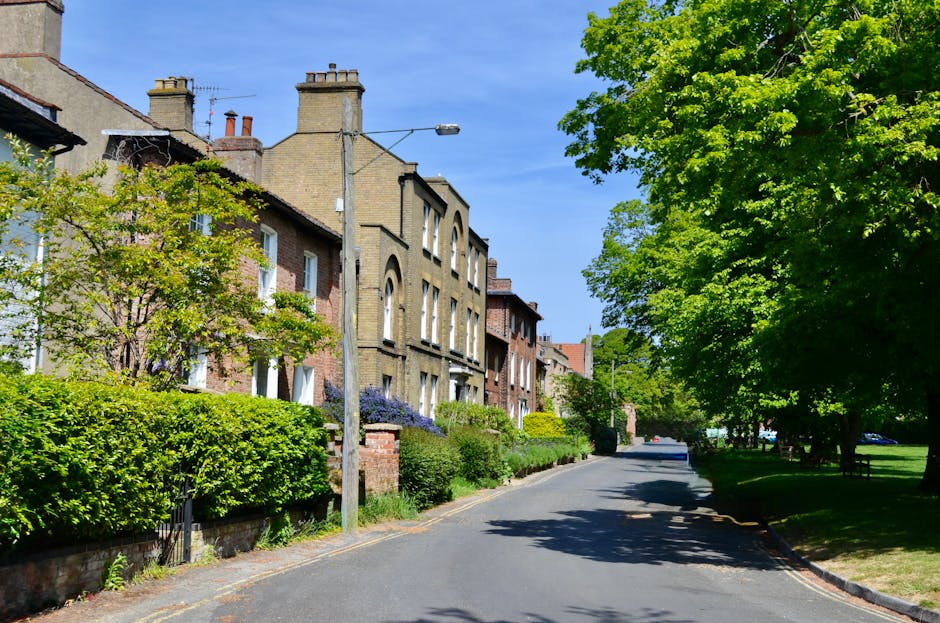
Garden maintenance for Sanderstead Road homes South Croydon

If you live on or near Sanderstead Road, you probably know the feeling: the garden looks decent one week, then a bit scruffy the next. A couple of windy days, a wet spell, a burst of weeds, and suddenly the place needs attention again. Garden maintenance for Sanderstead Road homes South Croydon is really about staying ahead of that drift, keeping outdoor space healthy, tidy, and usable without turning every weekend into a catch-up job.
In this guide, we'll walk through what proper garden maintenance involves, why it matters in this part of South Croydon, and how to approach it in a practical way. You'll find seasonal guidance, common mistakes, a clear checklist, and a realistic look at when professional help is worth considering. If your plot is small, shaded, sloped, windy, or simply a bit overwhelmed, there's still a sensible path forward. Honestly, there usually is.
Why Garden maintenance for Sanderstead Road homes South Croydon Matters
Sanderstead Road homes tend to face the same basic pressures many South Croydon gardens do: changeable weather, seasonal growth spurts, shaded corners, and the occasional stubborn patch where nothing seems to thrive. That means maintenance is not just about appearances. It protects the garden's structure and stops small issues becoming larger ones.
A neglected hedge can block light. Unchecked weeds can creep into borders and gravel. A lawn that is mown too infrequently can thin out, go patchy, or invite moss. And if trees or shrubs are left to mature without attention, they can become awkward to manage later. You know the story: what could have been a tidy half-hour job becomes a whole Saturday of sighing and pruning.
There is also a practical comfort factor. A maintained garden feels calmer, safer underfoot, and more useful for everyday life. If you want children to play out there, if you keep a dog, or if you simply like sitting with a cup of tea and hearing birds rather than brambles, regular care matters. For some homes, it's also about presentation. First impressions count, and an outdoor space often says more than a hallway ever does.
Local gardens also benefit from a maintenance rhythm that fits the area. South Croydon can swing between wet, mild spells and sudden dry stretches, which affects how lawns, soil, and planting beds behave. A neat-looking garden is nice. A resilient one is better.
If you want a broader service overview alongside this topic, the garden maintenance service page is a useful place to start, and the team also covers related tasks like lawn care and hedge trimming in South Croydon.
How Garden maintenance for Sanderstead Road homes South Croydon Works
At its simplest, garden maintenance is the ongoing care needed to keep outdoor spaces healthy and orderly. It is usually not one big intervention. It is a sequence of smaller, well-timed tasks. That is the trick. Not glamorous, but effective.
A sensible maintenance plan normally includes mowing, edging, weeding, hedge trimming, pruning, border tidying, leaf clearance, and checks on plant health. Depending on the garden, it may also include patio cleaning, pressure-free surface care, soil improvement, seasonal mulching, and the occasional cut-back of overgrown shrubs or small trees. If fencing, decking, or paving is starting to look tired, those surfaces may need separate attention too.
The work often begins with assessment. What is growing too quickly? What is failing? Which areas dry out first? Where does moss appear? Are there awkward access points? On a Sanderstead Road property, those little site details matter because one garden might be open and sunny while the neighbour's is enclosed and shaded by mature planting.
From there, the maintenance schedule is built around the season:
- Spring: clearing winter debris, feeding lawns, repairing borders, shaping shrubs, and getting growth under control early.
- Summer: mowing, watering wisely, deadheading, pest checks, and keeping paths and patios usable.
- Autumn: leaf clearance, cut-backs, composting, soil care, and preparing delicate plants for cold weather.
- Winter: protection, restraint, inspection, and making sure roots, bark, and structures are not being damaged by frost or waterlogging.
That rhythm is the backbone of good outdoor care. Simple, really. But only if it happens consistently.
Key Benefits and Practical Advantages
The obvious benefit is a nicer-looking garden. But the real gains go further than that. For many homeowners, a maintenance routine improves the whole way the property feels and functions.
- Better plant health: regular pruning, feeding, and clearing dead material lets plants breathe and grow properly.
- Fewer surprises: small pest, disease, or drainage issues are easier to spot before they spread.
- Safer paths and access: tidy edges, clear steps, and trimmed growth reduce awkward trip hazards.
- More usable space: a garden is only really valuable if you can enjoy it, not just look at it from the window.
- Longer life for surfaces: keeping moss, algae, leaf build-up, and heavy overgrowth under control helps patios, fences, and decking last longer.
- Less stress: the garden stops feeling like a nagging job and starts feeling manageable again.
There is also a subtle but important benefit: maintenance helps shape the garden you actually want. If you like a neat, formal feel, the work stays crisp and defined. If you prefer a softer, wildlife-friendly space, maintenance can still support that look without letting things become unruly. You do not have to choose between a tidy garden and a living one. That old false choice gets in the way too often.
For readers thinking about design as well as upkeep, some ideas from vibrant ground covers for UK gardens and evergreen climbers for shaded nooks can make maintenance easier by reducing bare soil and adding structure.
Who This Is For and When It Makes Sense
Garden maintenance on Sanderstead Road makes sense for a wide mix of households. It is not just for large family gardens or homes with elaborate planting. In our experience, the people who benefit most are often the ones with medium-sized gardens that are "almost manageable" but never quite done properly.
This may be you if:
- you have a busy work schedule and only limited time at weekends;
- you are planning to sell or rent and want the outside space to look cared for;
- you have hedges, borders, or lawns that need regular attention;
- you've inherited an overgrown garden and want to bring it back to life;
- you manage a property where presentation matters year-round;
- you want safer, clearer access for children, pets, or visitors;
- you simply want the place to stop becoming a constant low-level headache.
It also makes sense when the garden has more moving parts than you can reasonably keep on top of. A lawn might need weekly mowing in peak season, while hedges only need periodic work and borders may need lighter but more regular attention. Mixed gardens are usually the ones that drift. One section gets fixed, another slips away. It's normal.
If the garden is very overgrown, starting with a one-off restoration and then moving to routine maintenance is often the cleanest route. That way, you are not trying to maintain a mess. You are maintaining a garden again.
For people who need a fuller reset, this can pair well with a service like general gardening services or, if the structure is already quite tangled, a more targeted approach through tree surgery and fencing support where needed.
Step-by-Step Guidance
Here is a practical way to think about the work. Nothing too fancy. Just a steady process that gets results.
- Start with a full walk-through. Look at the garden in daylight and note the obvious problem spots: overgrown edges, weeds, moss, broken stems, dead patches, or poor drainage.
- Sort by priority. Safety and access first. Then health. Then appearance. A fallen branch or blocked path comes before decorative tidying.
- Cut back and clear. Remove dead growth, fallen leaves, and clutter. This reveals the real structure of the garden and makes everything else easier.
- Tackle the lawn. Mow at the right height for the season, edge the borders, and clear grass clippings if they are smothering plants or hard surfaces.
- Weed the borders properly. Pull weeds from the root where possible and do not leave them to reseed. For stubborn areas, a mulch layer can help suppress regrowth.
- Prune with purpose. Cut back shrubs and climbers only where needed. Do not prune for the sake of pruning; that is how you end up chasing growth all year.
- Refresh the soil. Add compost, organic matter, or mulch to improve moisture retention and plant health.
- Clean hard surfaces. Sweep patios, remove algae or leaf stain, and check for slippery spots.
- Inspect supports and structures. Look at trellis, canes, ties, fencing, and edging. Small fixes now save bigger repairs later.
- Set a repeat schedule. Weekly, fortnightly, monthly, and seasonal tasks should each have their own slot.
A useful trick is to keep the first session practical rather than perfect. Do not spend two hours trying to make one border look magazine-ready while the rest of the garden is still hanging on by a thread. Get the whole space back into shape first. Perfection can wait.
Expert Tips for Better Results
Small decisions make a big difference over a full year. Here are a few that really matter.
1. Maintain before things look bad. That sounds obvious, but many people wait until the garden is clearly out of control. By then, the job is slower and rougher on the plants. Light, regular care is almost always easier than rescue work.
2. Match the mowing height to the weather. During dry spells, cutting a lawn too short can stress it badly. When growth is strong and conditions are mild, mowing more regularly helps keep the lawn even and dense.
3. Keep an eye on shady spots. Moss, dampness, and bare ground often show up first where sunlight is limited. That does not mean the area is doomed. It just means it needs the right plants and a lighter touch. A mix of evergreen structure and low ground cover can work well; if you're exploring that direction, take a look at ivy-free planting strategies and practical weed-free landscape tips.
4. Use the right tool for the scale. A small hand shear is better for detail. A long-reach trimmer is better for high hedges. A strong pair of secateurs is worth more than a blunt multi-tool that fights you every step of the way. Good tools save time and frustration. There, I said it.
5. Think in layers. Ground level, mid-height, canopy. If all three are being maintained well, the garden usually feels balanced even before it is fully finished.
6. Compost what you can. Healthy garden waste, when managed correctly, is often useful again. It supports soil improvement and reduces the "bag it all and forget it" habit. For more on that, recycling organic waste to improve soil is a handy related read.
7. Plan for the wind. South London gardens do not all get battered the same way, but exposed spots do exist. Loose containers, tall stems, and flimsy supports can become annoying quickly. If your garden sits in a breezier pocket, the ideas in wind-resistant landscape design are worth a look.
8. Don't let one bad season define the garden. A dry summer, a wet autumn, or a messy winter can all be recovered from. Gardens are patient, even if we are not.
Common Mistakes to Avoid
Most garden problems do not begin with one dramatic error. They begin with lots of small ones repeated over and over. Here are the usual culprits.
- Cutting too much at once: over-pruning can weaken shrubs and leave bare, ugly gaps.
- Ignoring edging: a tidy lawn with messy borders still looks unfinished.
- Leaving weeds until they seed: that turns a small job into a long campaign.
- Using blunt tools: rough cuts heal badly and create ragged growth.
- Overwatering: not every plant needs constant moisture, and soggy soil can be just as harmful as dry soil.
- Only tidying the visible parts: hidden corners, side returns, and fence lines are where problems often start.
- Forgetting the hard landscaping: patios, decking, and paths matter too, especially when algae or debris makes them slippery or shabby.
A common one, especially in busy households, is waiting for a big free weekend. Then life happens. Rain. A birthday. The football run. Suddenly the garden has gone from "needing a bit of attention" to "where do we even start?" A maintenance routine avoids that spiral.
Another mistake is trying to make a garden look polished without dealing with its structure. The structure comes first. The prettiness follows.
Tools, Resources and Recommendations
You do not need a garage full of specialist gear, but a few reliable basics make maintenance easier and safer.
- Secateurs: for clean cuts on stems and smaller shrubs.
- Hand trowel and weeding fork: for border work and root removal.
- Long-handled shear or hedge trimmer: for shaping hedges and bigger shrubs.
- Lawn mower: sized to the garden and maintained properly.
- Rake and stiff broom: useful for leaves, clippings, and patio clear-ups.
- Gloves and sturdy footwear: basic, but essential. A surprising number of garden mishaps start with soggy trainers and optimism.
- Compost bin or organic waste system: helpful if you produce regular green waste.
For people building confidence, a beginner-friendly approach is often better than an all-in-one overhaul. Start with the basics, then layer in seasonal tasks. If you're new to garden care, a practical refresher like gardening tips for beginners can make the whole thing feel a lot less intimidating.
If you are considering more than maintenance, such as improving layout or adding structure, it may be worth exploring related areas like landscaping, decking services, or even patio cleaning if the hard surfaces are dragging the whole space down.
Law, Compliance, Standards, or Best Practice
For most domestic gardens, maintenance is guided more by common-sense best practice than by complicated rules. Still, there are a few points worth keeping in mind.
Health and safety matters. If work involves ladders, powered tools, heavy lifting, tree work, or slippery surfaces, it should be handled carefully. That is true whether you are doing the job yourself or hiring someone else. Responsible providers should have clear procedures and a sensible approach to risk. If you want to understand that side better, the site's health and safety policy and insurance and safety information are the right places to review.
Waste handling should be sensible and lawful. Garden waste should not be dumped casually or burned where it causes nuisance. Composting, approved disposal, and tidy site clearance are the normal expectations. This is one of those areas where doing it properly is just cleaner all round.
Neighbour consideration is part of good practice. Overhanging growth, fallen debris, and noise at awkward times can all create friction. Keeping hedges and trees within your boundary in good order avoids unnecessary problems. If a hedge is becoming a bit much, a service like hedge trimming South Croydon can help keep things measured and tidy.
Materials and payments should be transparent. If you are hiring help, clear terms, secure payment handling, and a written quote process are all good signs. It sounds dull, but trust me, dull is often what you want in paperwork. The site's pricing and quotes, payment and security, and terms and conditions pages are useful for that kind of reassurance.
Respect for privacy and accessibility is also part of a professional service. Good providers should be clear about how they handle customer information and how accessible their service information is. You can review the site's privacy policy, cookie policy, and accessibility statement if that matters to you.
Options, Methods, or Comparison Table
Different gardens need different approaches. A quick comparison helps narrow it down.
| Method | Best for | Pros | Watch-outs |
|---|---|---|---|
| DIY routine care | Small to medium gardens with simple layouts | Low cost, flexible timing, complete control | Easy to fall behind; equipment and time still matter |
| One-off tidy-up then self-maintained | Overgrown gardens that need a fresh start | Resets the space; manageable once restored | Requires discipline after the initial clean-up |
| Scheduled professional maintenance | Busy households, larger gardens, or high-visibility front and back gardens | Consistency, expert eye, less pressure on you | Ongoing cost, needs clear expectations |
| Mixed approach | Gardens where you want to handle easy jobs and outsource the hard bits | Balanced cost and convenience | Needs coordination so tasks do not overlap or get missed |
For many Sanderstead Road homes, the mixed approach is the sweet spot. You might mow the lawn and deadhead borders yourself, then bring in help for hedges, pruning, or heavy seasonal work. That way, the garden still feels like yours, just without the constant strain.
Case Study or Real-World Example
Here is a realistic example, based on the kind of garden that comes up often in South Croydon. A semi-detached home with a front hedge, a modest back lawn, a patio that had gone green at the edges, and two borders that had become a bit of a jungle after a wet spring. Not disastrous, just neglected enough to feel overwhelming.
The first visit focused on clearing access, cutting back the hedge, removing weeds, and getting the lawn back to a healthy height. The patio was swept, washed, and checked for slippery patches. Border plants were thinned and shaped rather than hacked back, which kept some of the mature look intact. A simple mulch was added to the beds to slow weed growth and hold moisture. Nothing dramatic. Just sensible.
Within a few weeks, the whole property looked brighter. More importantly, it was easier to keep that way. The owner did not need to "start over" every time the weather changed. A short monthly maintenance visit and a seasonal tidy-up became enough to keep the garden in good shape. That is the kind of result most people want, even if they do not say it out loud.
Sometimes the best garden outcome is not a dramatic makeover. It is relief.
Practical Checklist
Use this as a quick working checklist for garden maintenance on Sanderstead Road homes:
- Walk the whole garden and note problem areas.
- Clear leaves, twigs, and dead growth.
- Mow the lawn at a sensible seasonal height.
- Edge borders and paths for a cleaner finish.
- Weed beds, gravel, and paving joints.
- Trim hedges before they become unwieldy.
- Prune shrubs with a clear shape in mind.
- Check for pests, disease, and waterlogging.
- Refresh mulch or compost where the soil looks tired.
- Sweep and clean hard surfaces.
- Inspect fences, supports, and ties.
- Set a repeat timetable for weekly, monthly, and seasonal tasks.
Expert summary: the best maintenance plan is the one you can actually stick to. A modest routine, kept up consistently, beats a heroic clean-up every six months. Every time.
If you would like help with the next step, speak to the team through the contact page and ask about a maintenance plan that fits your garden and schedule.
Get a free quote today and see how much you can save.
Conclusion
Garden maintenance for Sanderstead Road homes South Croydon is not about making the garden perfect. It is about making it liveable, healthy, and easy to enjoy. A good routine keeps growth under control, protects the structure of the garden, and saves you from those exhausting "I'll deal with it next weekend" cycles that never quite end.
The best gardens are usually not the ones with the most expensive features. They are the ones that have been looked after with consistency, patience, and a little bit of common sense. If your garden needs a reset, start there. If it just needs steadier care, even better. Small steps really do add up.
And if all you manage this week is one tidy border and a cleared path, that still counts. Truth be told, it counts a lot.
Frequently Asked Questions
What does garden maintenance include for homes on Sanderstead Road?
It usually includes mowing, edging, weeding, hedge trimming, pruning, border care, seasonal clear-ups, and basic checks on plant and surface condition. Some gardens also need patio cleaning or light structure maintenance.
How often should a garden in South Croydon be maintained?
That depends on the size and planting style, but many gardens benefit from weekly or fortnightly attention in the growing season, with seasonal tasks layered in throughout the year.
Is it better to book one-off garden clearance or regular maintenance?
If the garden is overgrown or neglected, a one-off clearance can be a smart first step. After that, regular maintenance is usually the easiest way to stop it slipping back.
Can garden maintenance improve kerb appeal?
Yes. A tidy lawn, clean edges, trimmed hedges, and clear pathways make a property look better cared for very quickly. It is one of the simplest ways to improve first impressions.
What should I prioritise first in an overgrown garden?
Start with access and safety. Clear paths, remove dead or hazardous material, and then move on to mowing, pruning, and border work. Structure first, detail second.
Do I need professional help for hedge trimming?
If the hedge is tall, uneven, hard to reach, or becoming a boundary issue, professional help is often the safer and neater option. Smaller hedges may be fine for DIY care.
What is the best time of year for major garden maintenance?
Spring and autumn are often the most productive times for larger tasks. Spring sets the garden up for growth, while autumn helps prepare it for colder weather. That said, light maintenance matters all year.
How can I keep weeds under control without constant pulling?
Regular weeding is the first step, but mulching, dense planting, and avoiding bare soil can also reduce the problem. The earlier you tackle weeds, the easier they are to manage.
Is patio cleaning part of garden maintenance?
It can be. Many homeowners treat patios, paths, and decking as part of the broader outdoor upkeep plan because slippery or dirty surfaces affect both appearance and safety.
What if I have pets or children using the garden?
Then safety, clear access, and sensible plant choices matter more. Keep tools stored properly, avoid leaving clippings or debris around, and make sure paths and play areas stay clear.
How do I know whether my garden needs landscaping rather than maintenance?
If the layout itself no longer works, or if you need structural changes such as new borders, paths, or larger planting changes, that may lean into landscaping rather than routine maintenance.
Where can I find more information about the service and related options?
You can explore the main garden maintenance page, look at lawn mowing and lawn care, or review the team's broader about us information for background.