 020 3744 3778
Environmental Impact of Cultivating Green Gardens
Posted on 30/09/2025
Understanding the Environmental Impact of Cultivating Green Gardens
The art and science of cultivating green gardens resonates far beyond beautifying our homes and neighborhoods. In today's eco-conscious world, green gardens play a critical role in sustaining the environment, enriching biodiversity, and combating climate change. However, the environmental impact of cultivating green gardens can be both positive and negative, depending on gardening practices, plant choices, and resource management. This comprehensive article explores various aspects of growing green gardens, optimizing eco-friendly methods, and their ecological consequences.

Defining Green Gardens: What Makes a Garden "Green"?
A "green garden" is much more than a collection of lush, thriving plants. It embodies sustainable gardening practices aimed at minimizing harm and maximizing positive environmental impact. Typical elements of a green garden include:
- Native plants: Species adapted to the local environment, requiring less water and maintenance.
- Organic cultivation: Avoidance of synthetic fertilizers, pesticides, and herbicides.
- Efficient irrigation: Utilization of rainwater harvesting, drip irrigation, and mulching.
- Biodiversity: Integration of various plants, insects, and even small animals to create a thriving ecosystem.
- Waste reduction: Composting and recycling garden waste to enrich soil and prevent landfill contribution.
By adopting these principles, gardeners can dramatically reduce negative environmental effects while enhancing the sustainability of their landscapes.
Positive Environmental Impacts of Green Gardens
Cultivating green gardens brings a multitude of environmental advantages to both urban and rural areas. Let's explore how sustainable gardening benefits our planet:
1. Enhancing Biodiversity
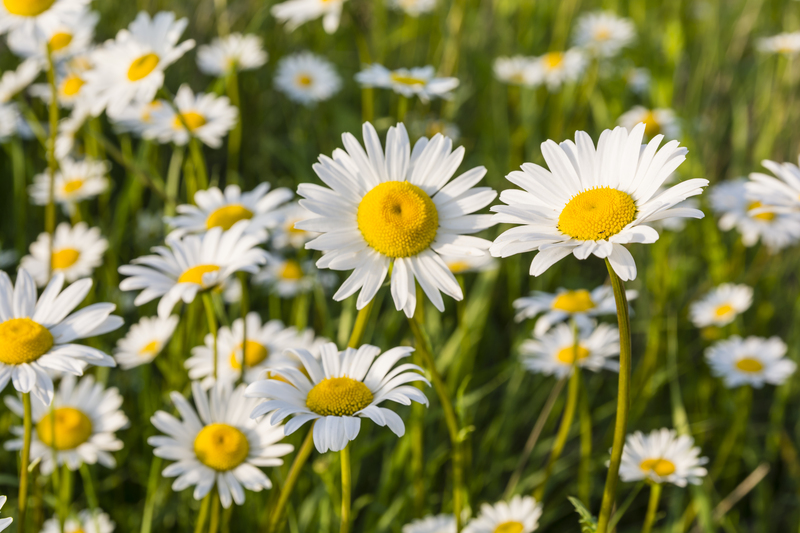
Biodiversity is crucial for ecosystem resilience, pest control, and pollination. Green gardens, especially those featuring native plants and flowers, offer essential habitats for diverse species--birds, bees, butterflies, and beneficial insects. This fosters balanced food webs and protects threatened organisms, contributing to the conservation of local wildlife.
2. Air Quality Improvement
Green gardens serve as natural air purifiers. Through the process of photosynthesis, plants absorb carbon dioxide and release oxygen. They also trap particulate matter, dust, and even some toxic substances, improving overall air quality in and around homes. A city with many green gardens undeniably enjoys better air and a cooler microclimate.
3. Carbon Sequestration
Plants absorb carbon dioxide--a leading greenhouse gas--from the atmosphere and store it in their tissues and surrounding soil. Through this process, called carbon sequestration, green gardens help mitigate the impacts of climate change. Large trees, shrubs, and grasses in particular are invaluable for capturing and storing carbon for extended periods.
4. Water Management and Conservation
Green gardens with effective landscaping prevent water runoff, enhance infiltration, and reduce soil erosion. Utilizing mulch, permeable pathways, and rain gardens increases soil retention of water, supporting plant health and reducing the need for artificial irrigation. Smart irrigation systems and drought-tolerant plants go further to preserve water--a scarce resource in many regions.
5. Soil Health and Fertility
Sustainable gardens enrich soil through composting, mulching, and cover cropping, thereby increasing organic matter and microbial diversity. Healthy soils are less prone to erosion, require fewer chemical amendments, and produce healthier plants.
6. Urban Cooling and Mitigating Heat Islands
Dictionary: In dense urban settings, concrete and asphalt absorb and retain heat, creating "heat islands." Green gardens and vegetative cover help combat this effect by providing shade and transpirational cooling. This not only benefits householders but also reduces cooling costs and energy demand.
Negative Environmental Consequences of Poor Gardening Practices
While gardens offer immense environmental gains, improper methods can lead to negative ecological impacts:
- Overuse of chemicals: Excessive fertilizers and pesticides pollute soil and water, harm pollinators, and threaten biodiversity.
- Water wastage: Inefficient watering (such as overhead sprinklers during the day) depletes local water sources and increases runoff.
- Soil degradation: Over-tilling, planting invasive species, or monocultures can impoverish soils and disrupt local ecosystems.
- Green waste pollution: Disposing of garden waste in landfills leads to methane emissions and loss of valuable organic matter.
- Exotic plant introductions: Non-native species can outcompete indigenous flora, spread diseases, and destabilize natural habitats.
Key Strategies for Environmentally Responsible Gardening
Optimizing environmental outcomes from cultivating green gardens calls for careful planning and stewardship. Here are critical strategies to ensure your garden remains a boon for the environment:
1. Choose Native and Adapted Plants
Native flora supports local pollinators and wildlife while minimizing resource inputs. Opting for drought-resistant plants also conserves water and lowers maintenance requirements. Research which species best suit your regional climate, soil, and wildlife.
2. Reduce Chemical Usage
Practice organic gardening wherever possible. Use compost, mulch, and natural pest remedies. Encourage beneficial insects, rotate crops, and practice companion planting to reduce the need for artificial interventions.
3. Implement Water-Saving Techniques
Install rain barrels, drip irrigation, and mulch to prevent evaporation. Water early in the day or late in the evening to maximize absorption and minimize loss. Design the garden with swales or rain gardens to capture and use stormwater efficiently.
4. Promote Biodiversity
Blend edible plants, ornamentals, shrubs, and trees. Create wildlife habitats with bird baths, nesting boxes, log piles, and flowering borders to support various creatures. The greater the diversity, the stronger the ecosystem.
5. Recycle, Compost, and Upcycle
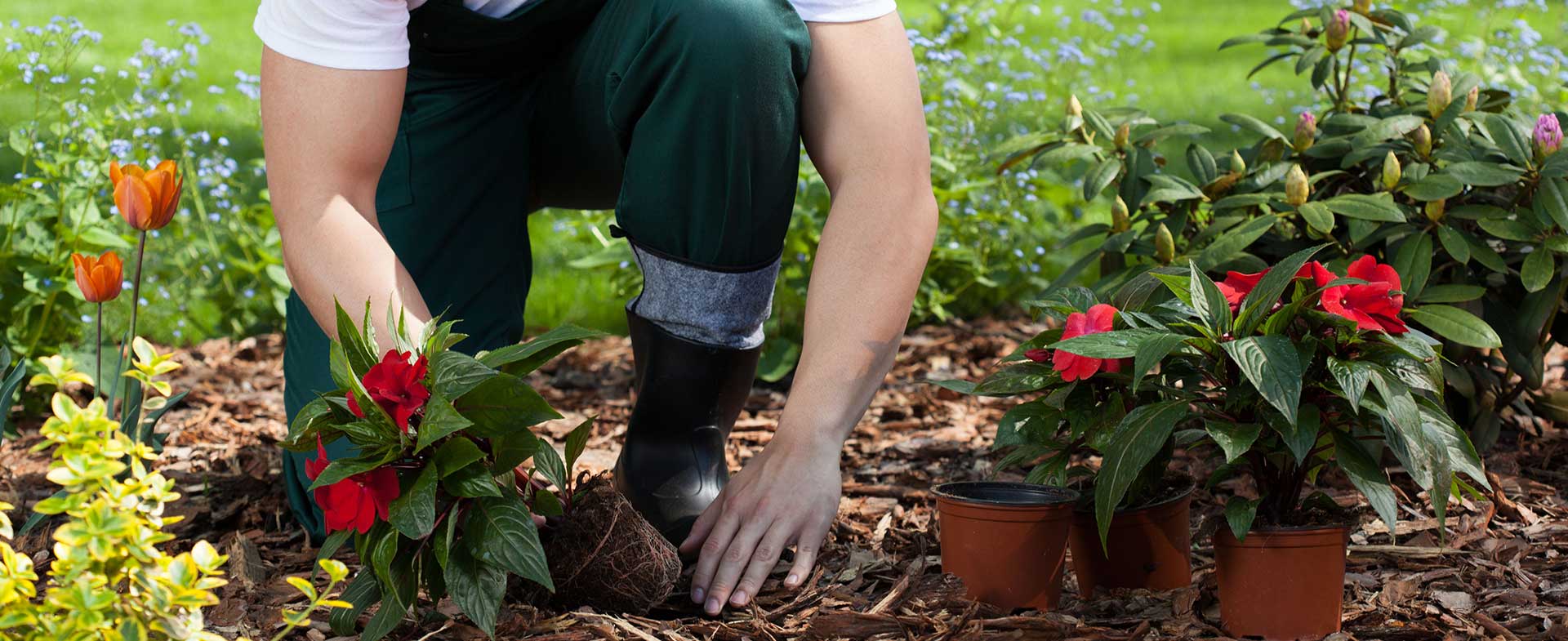
Turn garden and kitchen waste into nutrient-rich compost instead of sending it to the landfill. Use recycled materials for raised beds, pathways, and plant supports. Employ mulching to conserve water and suppress weeds.
6. Avoid Invasive Species
Check local guidelines before planting unfamiliar species. Remove or manage non-natives that crowd out indigenous plants. Awareness and early action prevent garden escapes and protect neighboring ecosystems.
Case Studies: Real-World Examples of Green Gardens' Environmental Impact
Urban Pollinator Corridors
In cities worldwide, community projects are connecting parks and gardens with flowering corridors for bees, butterflies, and other pollinators. These green garden initiatives have boosted pollinator populations, leading to improved urban food production and biodiversity.
Residential Rain Gardens
Suburban homeowners are transforming portions of their lawns into rain gardens. These spaces capture stormwater, filter pollutants, and recharge groundwater supplies. The result is less flooding, cleaner waterways, and more habitat for local creatures.
Eco-Farms and Permaculture Gardens
Small-scale farmers using permaculture techniques--such as mixed plantings, composting, and integrated pest management--beat drought, reduce chemical usage, and promote soil regeneration and carbon sequestration.
The Role of Green Gardens in Climate Action
As societies become ever more urbanized and resources scarcer, green gardens offer a scalable solution for climate change mitigation and adaptation. Homeowners, city planners, and farmers can all participate in this movement, reducing emissions, restoring habitats, and promoting community wellbeing.
- Reducing dependency on food transport: Growing food at home or in community gardens cuts emissions from long-distance transportation.
- Community cooling: Green spaces lower ambient temperatures, providing relief during heatwaves.
- Psychological benefits: Gardening supports mental health and community cohesion, enabling societies to better adapt to environmental stressors.
Frequently Asked Questions: Environmental Impacts of Green Gardening
How can I measure the environmental impact of my current garden?
You can evaluate your garden's sustainability by considering resource consumption (water, fertilizer, energy), plant diversity, soil health, and support for native pollinators and wildlife. Online tools and checklists from organizations such as the National Wildlife Federation help benchmark your garden's environmental footprint.
Is organic gardening always more environmentally friendly?
While organic gardening eliminates synthetic chemicals, its environmental benefits depend on practices like composting, water management, and biodiversity enhancement. Incorporate all aspects of green gardening for maximal positive impact.
Can small gardens still make a difference?
Absolutely! Even a balcony garden or container plants enrich local biodiversity, purify air, and reduce heat. Collectively, many small gardens have a substantial cumulative effect on urban ecosystems.
Conclusion: Cultivating Green Gardens for a Sustainable Future
The environmental impact of cultivating green gardens is profound and multifaceted. Through conscious plant selection, water conservation, organic practices, and biodiversity support, gardeners can create spaces that are not only beautiful but also beneficial to the Earth. Each garden--no matter the size--plays a crucial role in building climate-resilient, healthy, and vibrant communities. By embracing sustainable gardening, individuals and neighborhoods can nurture the ecological wellbeing of our shared planet for generations to come.
Start cultivating your own green garden today and be part of the environmental solution!
Latest Posts
Environmental Impact of Cultivating Green Gardens
Elevating Soil Health by Recycling Organic Waste
Explore Vertical Gardening for Urban Dwellers