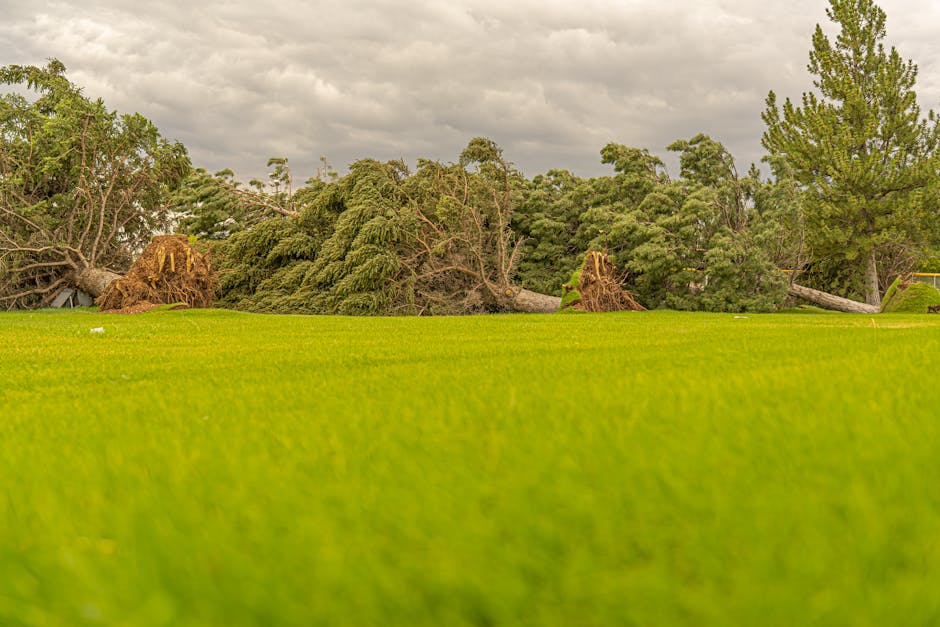
Same day gardeners in South Croydon for urgent storm damage
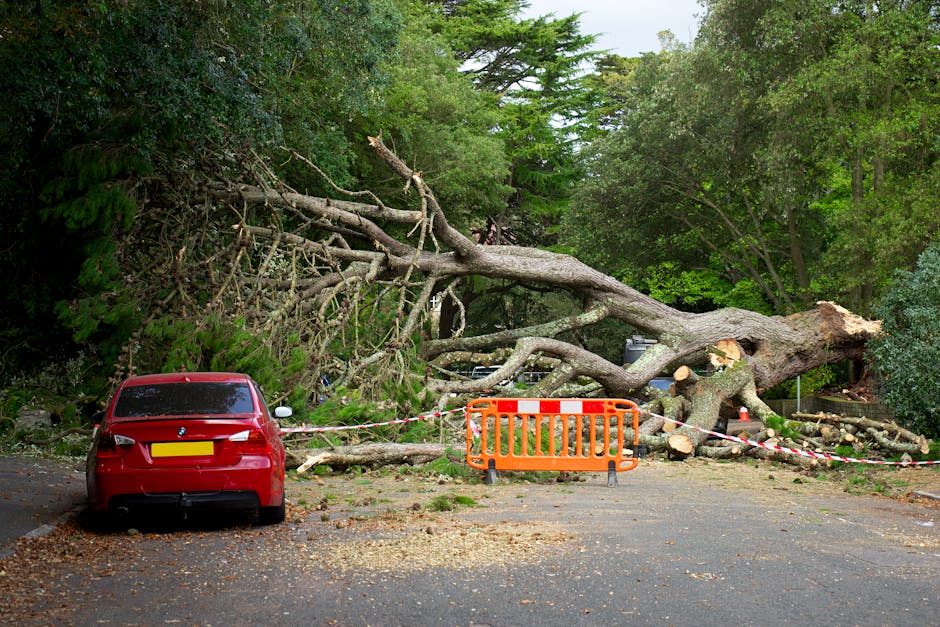
When a storm tears through South Croydon, the garden can go from calm to chaotic in a matter of minutes. Fallen branches, smashed fencing, waterlogged beds, bent hedges, and scattered debris all create a mess that feels bigger than it first looks. If you need same day gardeners in South Croydon for urgent storm damage, the priority is simple: make the space safe, stop the damage from spreading, and get the garden back under control before the next shower or gust makes things worse.
This guide explains what urgent storm response usually involves, how same day garden help works, what to expect on the day, and how to decide which tasks need immediate attention. It also covers practical mistakes to avoid, useful checks before anyone starts, and the difference between a quick tidy-up and proper recovery work. If you are staring at a broken fence panel or a tree limb resting awkwardly across a border, you are not overreacting. Let's face it, storms have a way of turning ordinary garden problems into urgent ones.
Why Same day gardeners in South Croydon for urgent storm damage Matters
Storm damage is not just about appearances. A broken fence can leave a property exposed. A snapped branch can hang over a path like a bad joke waiting to happen. Soggy soil can churn into mud, crushing plants and making later repair work harder. The sooner the damage is dealt with, the less likely it is to spread.
In South Croydon, weather often arrives in bursts rather than long, dramatic warnings. One hour the garden looks fine; the next there are branches on the lawn and leaves plastered over the patio. That is where same day help earns its keep. The aim is not to rebuild the whole garden in one go. It is to stabilise things, clear hazards, and protect what is still salvageable.
There is also a practical side that people sometimes miss. Storm debris can hide broken glass, sharp timber, loose nails, and unstable structures. Even a harmless-looking pile of hedge trimmings can be more awkward than it seems. If you have children, pets, or older family members using the garden, urgent clearance becomes more than a cosmetic task. It becomes a safety job.
A fast response can also save plants. Wind scorch, root exposure, broken stems, and crushed borders get worse if left damp and compacted. If you want a garden that recovers well, early action matters. A lot.
How Same day gardeners in South Croydon for urgent storm damage Works
Same day storm damage gardening usually starts with a quick assessment. You explain what happened, what has been damaged, and whether anything looks dangerous. A good team will ask about access, visibility, fallen limbs, broken fencing, or blocked paths so they can arrive prepared. If the issue involves trees or larger branches, it may be handled in conjunction with tree surgery support rather than simple garden tidy-up work.
On arrival, the first job is typically to make the area safe. That means identifying unstable branches, clearing immediate trip hazards, and checking whether garden structures are leaning or partially collapsed. After that comes the clearance stage: collecting debris, removing waste, and separating what can be saved from what needs disposal. If the storm has damaged planting beds or lawn edges, the work may then move into shaping and repair.
It often helps to think of the process in layers:
- Safety first - remove obvious risks and cordon off unsafe spots.
- Clear the damage - collect branches, leaves, broken fencing, and debris.
- Assess plant health - identify crushed, split, or uprooted plants.
- Stabilise structures - temporary fixes for fences, edging, or supports where appropriate.
- Plan the recovery - decide what needs further maintenance, replanting, or follow-up care.
Not every garden can be restored fully in a single visit, and honestly, that is normal. Sometimes the best same day result is a safe, clean, manageable space with a clear plan for the next stage. That is better than rushing and making a mess of the recovery. Nobody wants a fence panel reattached like a wobbly table leg.
For broader recovery work after the immediate clear-up, garden maintenance is often the sensible next step, especially if the storm has knocked the whole garden out of rhythm.
Key Benefits and Practical Advantages
The obvious benefit is speed, but that is only the start. Same day garden help after storm damage gives you breathing room. When the mess is dealt with quickly, the property feels less stressful, safer to use, and easier to inspect for hidden issues. You are not standing in the doorway thinking, "Where do I even begin?"
- Reduced risk - fewer trip hazards, less chance of further breakage, and safer access paths.
- Less secondary damage - waterlogged plants, crushed borders, and leaning timber can worsen if ignored.
- Better decision-making - once the debris is cleared, it is easier to see what truly needs repair.
- Faster return to normal use - patios, lawns, and side access routes can become usable again sooner.
- Cleaner handover for follow-up trades - if fencing, trees, or landscaping need further work, the site is ready.
There is a quieter benefit too: peace of mind. Storm damage has a way of hanging over you mentally. A cleared garden feels less like an ongoing problem and more like a project with a beginning, middle, and end. That matters more than people admit.
If your storm has also left the outdoor surface slippery or stained, a follow-up visit for patio cleaning can help restore safer footing and reduce the grimy aftermath that storms often leave behind.
Who This Is For and When It Makes Sense
This kind of service makes sense for homeowners, landlords, letting agents, property managers, and anyone with a garden that has taken a beating from wind, rain, or falling debris. It is especially useful if you need the space safe quickly for tenants, guests, deliveries, or family access.
It also makes sense when you are not sure how serious the damage is. Sometimes the garden looks like a simple cleanup job, but a closer look reveals a split fence post, a tree limb under tension, or a hedge that has been ripped out of line. In those cases, a same day visit can stop you guessing. Guessing after a storm? Rarely a good plan.
Here are situations where urgent help is usually worthwhile:
- A branch is hanging over a walkway, driveway, or boundary.
- Fence panels are loose, fallen, or partially detached.
- Plants are uprooted or crushed and need immediate support.
- The lawn is littered with debris that could damage mowers or cause injury.
- Storm water has washed soil, mulch, or gravel into unwanted areas.
- You need a property made presentable fast after severe weather.
If you are managing an overgrown hedge line that has taken the brunt of the wind, it may also be worth looking at hedge trimming in South Croydon once the immediate danger has been dealt with. Storms often reveal where a hedge has become too dense, top-heavy, or vulnerable.
And if the garden is home to pets, children, or both, a quick, safe tidy-up matters even more. A broken border spike or loose timber offcut is exactly the sort of thing you do not want hidden in wet grass.
Step-by-Step Guidance
If you are arranging same day gardeners in South Croydon for urgent storm damage, the process is usually smoother when you know what to do before and after the visit.
- Walk the garden carefully
Do not rush into the damaged area. Look for hanging branches, broken glass, unstable fencing, flooded patches, and anything that could shift if touched. - Take a few clear notes
Write down what happened, where the damage is, and whether access is blocked. A couple of photos can help too, especially if the work may need to be documented later. - Prioritise the urgent hazards
Think safety first, presentation second. If there is a branch resting against a fence or a panel half torn free, mention it straight away. - Request the right type of help
Some damage is garden clearance. Some is structural. Some sits in between. Be clear about what has fallen, what is loose, and what still looks stable. - Ask what can be completed today
A straight answer is helpful here. Maybe the team can clear debris and secure the space today, with repairs or replanting to follow later. - Check waste removal expectations
Storm debris can be bulky. Ask whether cuttings, branches, or broken materials will be taken away as part of the visit. - Review the finished area before the team leaves
Walk the space with them if possible. Check gates, edges, access paths, and any areas that still feel unsafe.
One simple habit helps a lot: keep your own photo record before and after the work. It is not about being fussy. It is just useful. If something changes later, you will know what was storm damage and what was already there.
Expert Tips for Better Results
In our experience, the best storm recovery jobs are the ones where the first conversation is clear and the site is properly prioritised. A few small decisions make a big difference.
- Separate immediate hazards from longer-term repairs. Do not try to solve everything in one visit if the priority is safety.
- Be specific about access. Narrow side paths, locked gates, shared driveways, and fragile paving all affect how quickly work can begin.
- Tell the team what you are most worried about. Is it the tree, the fence, the patio, the lawn, or a prized plant border? Say so. It helps.
- Keep children and pets away from the work zone. Wet branches and loose timber are more slippery than they look.
- Think about the next storm, not only this one. If the garden has weak points, those are the places to reinforce later through planting, support, or layout changes.
For example, if wind keeps funneling through a back corner, you may benefit from a more considered layout later on. That could mean more resilient planting, better screening, or a redesign that reduces exposure. There is a useful article on designing a wind-resistant landscape if you want to think ahead rather than simply patch up.
Another quiet tip: ask for honest advice on what should be replaced instead of repaired. Sometimes a snapped shrub or badly split panel is not worth sentimental attachment. The quicker you accept that, the easier the recovery feels.
Common Mistakes to Avoid
Storm damage has a way of making people act fast, which is understandable. But urgency can lead to a few avoidable mistakes.
- Going straight in without checking stability. A branch can look settled and still shift when touched.
- Trying to lift heavy debris alone. Wet timber is heavier than it looks. Very much so.
- Ignoring hidden damage. A fence may appear upright while the post below has been loosened.
- Leaving broken material in the garden overnight. The next wind can move it again, and not in a helpful way.
- Assuming every task is a quick tidy-up. Some jobs require proper pruning, tree care, or structural follow-up.
- Overwatering damaged plants. Storm-soaked soil is already under stress, and extra water can make root issues worse.
Another one that comes up often: people rush to re-stake, re-tie, or replant before the surrounding debris is cleared. It feels productive, but it usually gets in the way. Clear first. Then assess. Then fix. Simple enough in theory, trickier in the middle of a messy garden, I know.
Tools, Resources and Recommendations
For urgent storm cleanup, the right tools are the ones that make work safer, cleaner, and less wasteful. You do not need a shed full of specialist kit for every situation, but the basics matter.
- Heavy-duty gloves - for glass, splinters, wet foliage, and rough timber.
- Secateurs and loppers - for pruning damaged stems and smaller broken branches.
- Rakes and tarps - useful for gathering leaves, debris, and hedge cuttings.
- Wheelbarrow or garden sack - makes removal easier and avoids repeated trips.
- Securing ties or supports - for temporary stabilisation of plants or light structures where appropriate.
- Head torch or handheld light - essential if the weather has darkened the garden early in the day.
If you are building a more resilient garden after the storm, it can help to review your general equipment too. This guide to gardening toolbox essentials is a good reminder of what tends to earn its keep over and over again.
For longer-term garden recovery, the following areas often matter most:
- ongoing garden maintenance for tidying and monitoring stressed areas
- lawn care if the turf has been compacted, scarred, or waterlogged
- fencing support when storm winds have opened up boundary gaps
- general gardening services if the damage spans multiple parts of the garden
And if you want to understand the service provider a little better before booking, about us can be a useful place to start, especially when trust and response speed both matter.
Law, Compliance, Standards, or Best Practice
Storm-related garden work is not usually complex from a legal point of view, but there are still sensible standards to follow. In the UK, anyone doing outdoor work should take health and safety seriously, especially where unstable trees, broken fencing, heavy lifting, or slippery surfaces are involved. That is just common sense, but it also aligns with good professional practice.
Property owners also have a practical responsibility to keep their land reasonably safe for people using it. If a broken branch, loose panel, or hidden hazard could injure someone, it should be dealt with promptly. For rented properties, landlords and managing agents generally need to think about access, boundaries, and safe use as part of their wider duties. It is always sensible to handle that carefully rather than casually.
Good practice usually includes:
- checking whether a damaged tree or branch needs specialist attention
- keeping access routes clear and visible
- wearing suitable protective equipment
- disposing of waste responsibly
- avoiding unsafe work in poor light or worsening weather
If you want to read more about how a provider approaches safety and risk, the pages on health and safety policy and insurance and safety are worth a look. They give reassurance without making a big song and dance about it, which is often exactly what you want after a storm.
There is also a practical admin side. If you are comparing providers, it can help to understand pricing and quotes and the basic terms and conditions before work starts. Clear expectations beat awkward surprises every time.
Options, Methods, or Comparison Table
Not every storm-damaged garden needs the same response. Some situations call for a quick clearance, while others need more careful recovery work. Here is a simple comparison to help you judge the best route.
| Approach | Best for | What it usually includes | When to choose it |
|---|---|---|---|
| Rapid garden clearance | Loose branches, scattered debris, basic tidy-up | Removal, sweeping, bagging, safe access restoration | When the main issue is mess and immediate inconvenience |
| Urgent hazard response | Dangerous limbs, unstable fencing, blocked access | Safety checks, stabilisation, debris removal, temporary securing | When people or property could be at risk |
| Full recovery visit | Multiple damaged areas, compacted beds, plant loss | Clear-up plus pruning, replanting, shaping, follow-up planning | When the storm has affected the garden beyond surface clutter |
| Structural follow-up | Fence, decking, boundary, or tree-related damage | Inspection, repair planning, and specialist work where needed | When the problem goes beyond standard gardening tasks |
In practice, many jobs start as one type and become another. A garden call-out may begin with clearance and end with a recommendation for fencing or tree work. That is not a complication; it is a sign the issue has been properly understood.
If you are dealing with a storm-hit hard surface or broken outdoor timber, the wider service pages on decking services and landscaping can be relevant for the next stage of recovery, once the urgent hazards are out of the way.
Case Study or Real-World Example
Here is a realistic example. After a windy night, a South Croydon homeowner wakes to find a fence panel leaning into a border, two large branches down on the lawn, and a flower bed flattened near the side return. Nothing catastrophic, but enough to make the garden feel awkward and a little unsafe.
Same day help is requested. The first visit focuses on clearing the access path, removing loose branches, and checking whether the fence post has shifted. The team trims back damaged growth, gathers debris, and leaves the remaining plants supported rather than tangled under weight. The homeowner can now use the garden without worrying that the panel will fall again if the wind picks up.
A follow-up visit is then arranged for fence repair and a small amount of replanting. The result is not a perfect garden, and that is fine. It is safe, tidy, and on the road back to normal. Truth be told, that is what most people really need after a storm. Not perfection. Just control, clarity, and a clear next step.
That same recovery logic also works well for a garden that has been neglected for a while and then hit by bad weather. If that sounds familiar, this guide on moving from neglect to garden beauty can be a good companion read once the emergency has passed.
Practical Checklist
Use this quick checklist if you are arranging urgent storm damage support.
- Identify any immediate hazards before entering the garden fully.
- Take photos of the damage from a safe distance.
- Make a short list of what is broken, blocked, or unstable.
- Keep children and pets away from the affected area.
- Confirm what needs same day attention and what can wait.
- Ask whether debris removal is included.
- Check if tree-related damage needs specialist attention.
- Review access points, gate widths, and parking if relevant.
- Walk the garden after the work to confirm the hazards have been cleared.
- Plan the follow-up repair or maintenance visit before leaving it too long.
Expert summary: the best urgent storm response is calm, quick, and safety-led. Clear the hazard, stabilise the space, and then make smart decisions about repair. That sequence saves time, money, and a fair bit of stress.
Get a free quote today and see how much you can save.
Conclusion
Storm damage in a garden can feel disruptive, but it does not need to stay that way for long. With the right same day gardeners in South Croydon for urgent storm damage, you can move from mess and uncertainty to a safer, clearer, more manageable outdoor space in a single visit. That first response matters more than people think. It sets the tone for the whole recovery.
Whether the issue is a fallen branch, a damaged fence, compacted lawn, or a border that has been battered by wind and rain, the goal is the same: reduce risk, protect what remains, and make the next decision easier. The garden might not look perfect by evening. But it can look controlled. And that is a proper beginning.
For practical next steps, it helps to look at the wider support available through gardening services and related recovery options. A quick response now often prevents a much bigger job later. And sometimes, that is the difference between a rough patch and a fresh start.
Storms pass. Good gardens recover. Often better than you expect.
Frequently Asked Questions
How quickly can same day gardeners arrive after storm damage?
It depends on workload, location, and the severity of the weather, but same day visits are usually arranged as quickly as possible when there is an urgent safety concern. If you call early and describe the problem clearly, that gives the best chance of a prompt response.
What counts as urgent storm damage in a garden?
Anything that creates a safety risk or blocks normal use counts as urgent. Common examples include fallen branches, unstable fencing, blocked access paths, damaged gates, and tree limbs hanging low enough to cause concern.
Can gardeners deal with fallen branches and debris?
Yes, for many garden-scale issues they can. Smaller and medium debris, broken stems, and general storm clutter are usually part of the job. If the damage involves a large tree limb or a more complex hazard, specialist tree support may be more appropriate.
Do I need to be at home when the gardeners arrive?
Usually, yes, at least at the start. It is helpful to show the problem areas, confirm access, and agree on priorities. After that, some jobs can be completed while you step back, but it depends on the arrangement.
Will the team take away the storm debris?
Often they can, but it is sensible to check in advance. Storm debris can be bulky and awkward, especially if there are large branches or broken panels mixed in with garden waste.
Is storm damage garden work the same as regular maintenance?
No. Regular maintenance is planned and routine. Urgent storm work is about immediate safety, clearance, and stabilisation. The follow-up may then move into normal maintenance once the garden is safe again.
What if the storm damaged my fence as well as the plants?
That is common. In that case, a gardener may clear the surrounding mess and assess the boundary damage, but fencing repair may need separate attention. It depends on how severe the break is and whether the post or panel has failed.
How do I know whether a tree issue needs specialist help?
If a large branch is hanging, a trunk looks split, or the tree has shifted at the base, it is usually wise to seek specialist tree attention rather than treating it as a basic tidy-up. When in doubt, describe it carefully and ask for guidance.
Can storm-damaged plants recover?
Many can, especially if the roots are still stable and the stems are only partially damaged. Quick support, careful pruning, and proper aftercare improve the chances. Some plants will bounce back with a bit of help. Others may need replacing, and that is all right too.
What should I do before the gardeners come out?
Stay away from unstable areas, take a few photos, make a short list of hazards, and keep pets and children clear. If access is awkward, mention that early. It saves time and avoids a lot of back-and-forth.
How much does urgent storm damage garden work cost?
Costs vary depending on the size of the job, the level of danger, the amount of debris, and whether specialist follow-up is needed. The fairest approach is to request a quote after describing the damage clearly. That way, the estimate reflects the actual work, not guesswork.
Can same day gardeners also help with the recovery after the storm?
Yes. Once the urgent hazards are under control, many gardens benefit from follow-up maintenance, lawn repair, fence work, or broader landscaping support. That second step is often where the garden starts feeling like itself again.